Custom Apparel Drives Repeat Dropshipping Growth
[ad_1]
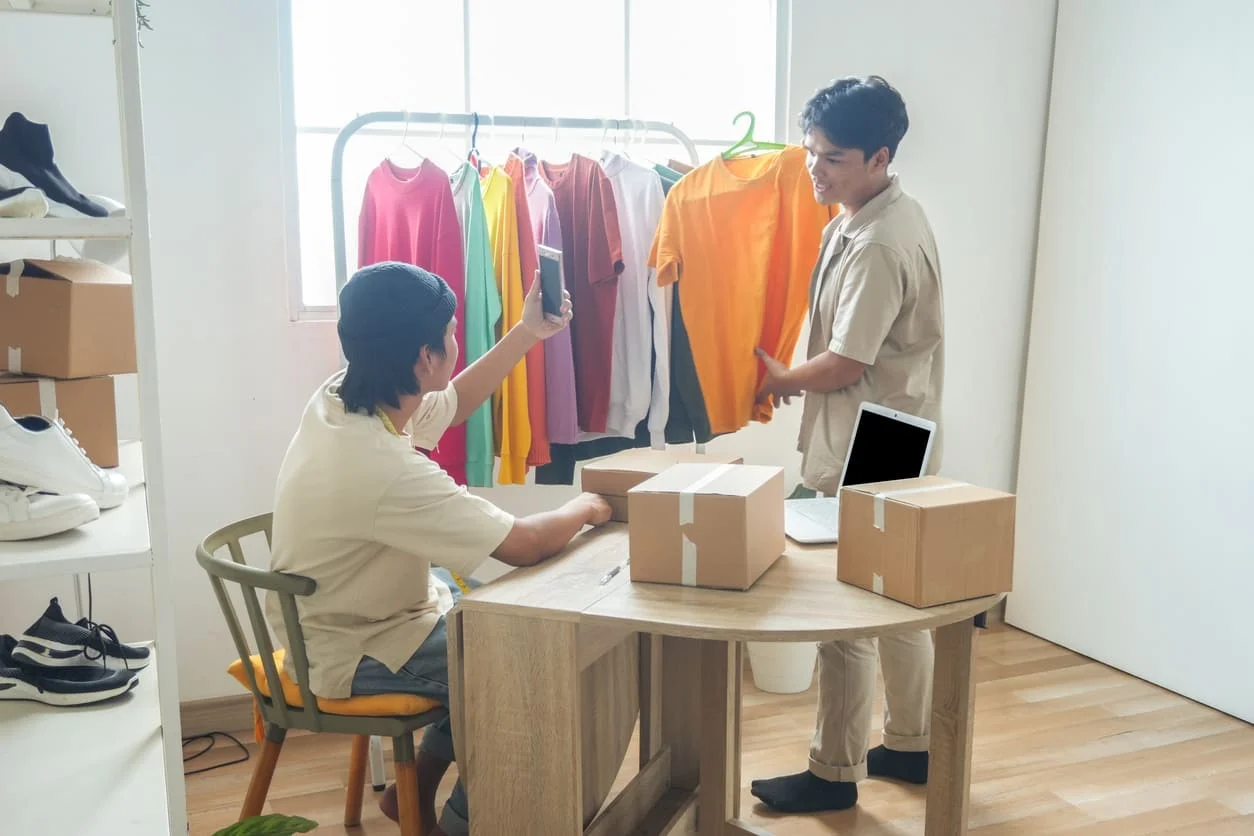
Repeat customers spend 67% more than new ones. That single number changes how you should pick a product. Most dropshippers burn through time and ad budgets chasing trending items, only to find hundreds of stores selling the exact same thing at lower prices. The global apparel market hit $1.79 trillion in 2024, and a growing slice of that belongs to independent brands built on print-on-demand (POD). This piece breaks down why custom apparel ranks among the best dropshipping products for building a business that actually compounds, with real margin data, a supplier comparison, and a step-by-step brand roadmap.
The Problem With Most ‘Best Dropshipping Products’ Lists
Most product lists send you toward trending items, phone stands, LED lights, pet gadgets. They look good on paper. But they share one fatal flaw: zero brand stickiness.
Why Trending Products Create Race-to-the-Bottom Competition
When a product goes viral, hundreds of stores start selling it within days. Supply floods in. Prices drop. Ad costs rise. Before long, you’re competing on price with sellers who have much lower overhead than you. That’s dropshipping saturation at its worst, and it’s where most beginners burn out.
The problem isn’t the product. It’s the strategy. Chasing trending dropshipping products without a product differentiation strategy is a path to a commoditized, inventory-free business with no repeat buyers.
What Makes a Dropshipping Product Worth Building a Brand Around?
A brand-worthy product carries three traits: it holds identity, earns repeat purchases, and gives the buyer a reason to share it. Generic gadgets fail all three. Apparel hits all three. It’s personal, it’s visible, and when someone loves it, they come back for the next drop.
Custom clothing builds something other categories can’t: brand equity. A customer who buys your hoodie because it represents their community doesn’t just buy once. They subscribe to what you stand for. That’s what separates a branded dropshipping product from a commodity.
Why Custom Apparel Is Different: The Brand Loyalty Loop
The brand loyalty loop works like this. A customer buys a custom hoodie, wears it in public, someone asks where they got it, and they’re back on your store within 90 days. That cycle, purchase, wear, exposure, return, is the engine behind every successful online clothing brand.
The Psychology of Branded Apparel Ownership
People form emotional connections with clothing in ways they don’t with gadgets. A custom tee tied to a niche brand community becomes part of how a person sees themselves. That emotional connection drives brand recognition through apparel, repeat purchases, and word-of-mouth marketing at zero cost.
When your target audience for custom apparel feels like the brand was made specifically for them, gym culture, pet owners, gamer aesthetics, sustainable fashion, they don’t just buy. They tell people.
Customer Lifetime Value (CLV): Custom Apparel vs. Other Dropshipping Categories
| Category | Avg. 1st Purchase | Repeat Purchase Rate | Est. 12-Month CLV |
| Custom Apparel | $35 | 40-55% | $95-$145 |
| Phone Accessories | $18 | 10-15% | $22-$30 |
| Home Décor | $28 | 12-20% | $35-$55 |
| Pet Supplies | $25 | 25-35% | $55-$85 |
A repeat apparel customer is worth 3-4x more over 12 months than a one-time gadget buyer. The return customer rate is the real argument for apparel, and it’s the gap no competitor is talking about.
Apparel as Walking Advertising: The UGC and Word-of-Mouth Effect
Every customer who wears your product outside becomes a brand ambassador. That’s wearable brand advertising working in real time. Run user-generated content campaigns, build a hashtag, offer a discount for photo reviews. This is how a merch store with 200 customers starts to feel like a movement, and how customer acquisition cost starts to drop.
Custom Apparel Profit Margins: The Real Numbers
A direct-to-garment (DTG) t-shirt costs roughly $9-14 from a print-on-demand supplier. Most stores retail it at $28-40. That puts gross margin between 45-66% before ads. Hoodies cost $22-30 to produce and retail well at $55-75, giving similar margins with a higher average order value (AOV).
Sample Margin Comparison: Custom Apparel vs. Other Top Dropshipping Niches
| Category | Avg. Cost | Avg. Retail | Margin % |
| Custom T-Shirt (DTG) | $11 | $32 | 66% |
| Custom Hoodie | $26 | $65 | 60% |
| Phone Accessories | $4 | $15 | 73% |
| Home Décor | $12 | $28 | 57% |
| Pet Supplies | $8 | $22 | 64% |
Phone accessories look strong on margin percentage. But their low retail price caps your AOV. A tee-plus-hoodie-plus-tote bundle can hit $90-110 per order, which changes the unit economics of your entire dropshipping business model.
Best Custom Apparel Products to Start With
Start with high-volume proven items before moving into premium tiers.
Core products with strong demand include print-on-demand t-shirts, the highest volume and easiest to design, custom hoodies dropshipping, which offer the best AOV and strong repeat demand, crop tops for fitness and streetwear niches, and tank tops for gym and outdoor brands.
Accessories that boost AOV include custom tote bags, embroidered hats and beanies, and socks. These bundle easily with core apparel and lift average order value without adding design complexity.
Once sales are steady, move into all-over print clothing and embroidered custom apparel. These carry higher retail prices and better margins, but they need a defined brand identity first.
Choosing the Right Print-on-Demand Supplier
Printful vs. Printify vs. Gelato: Side-by-Side Comparison
| Feature | Printful | Printify | Gelato |
| Print Quality | Excellent | Varies by partner | Good |
| Product Range | Wide | Very wide | Growing |
| Shopify Integration | Yes | Yes | Yes |
| WooCommerce Support | Yes | Yes | Yes |
| Global Fulfillment | Yes | Yes | Best-in-class |
| Branding Options | Strong | Limited | Moderate |
| Base Cost | Higher | Lower | Competitive |
Printful suits stores that want consistent quality and strong branding options. Printify wins on price if you vet POD suppliers carefully. Gelato leads on global print fulfillment with fast delivery across Europe and North America.
Before going live, order samples from any supplier. Check automated order fulfillment, supplier shipping times, and their return policy for POD products. A reliable dropshipping supplier saves you from the customer service nightmare of poor quality control.
Building Your Custom Apparel Brand: From First Sale to Loyal Fans
These four steps take a store from its first sale to a loyal customer base.
1. Pick a Niche With an Identity
Gym culture, pet owners, sustainability-focused buyers, gamer communities, these aren’t just interests. They’re identities. Niche market apparel built for a specific group outperforms broad stores every time.
2. Design for Identity, Not Decoration
Use a product mockup generator and Canva for product design to test before printing. Use copyright-safe designs and lifestyle product photos, not flat-lay stock images. Customers buy what they can picture themselves wearing.
3. Build a Retention Engine
Set up email marketing for repeat buyers from day one. Announce new drops to your list first. Create VIP tiers as a loyalty program for your top customers. A customer retention strategy built on email outperforms paid ads over the long term.
4. Turn Customers Into Content Creators
Run UGC campaigns. Ask buyers to share photos. Use influencer marketing on TikTok product marketing and Instagram, even micro-influencers with 5,000 followers can move product in a niche brand community.
Scaling Your Custom Apparel Dropshipping Business
Use Google Trends product research and customer reviews for dropshipping to spot your next winning design. When one product consistently outsells others, expand the line, don’t pivot.
At $10,000-plus in monthly revenue, look seriously at dropshipping vs. private label. Owning your blanks and working with a manufacturer gives better margins and full control over quality. It’s the natural next step for a scalable ecommerce product that’s already proven its demand.
Ready to Build a Brand That Compounds?
Most dropshippers are still chasing the next viral product. You don’t have to. Custom apparel gives you something more valuable: a product people wear, share, and come back for. Start with one niche, one print-on-demand supplier, and one great design. Run samples, set up your email list on day one, and let the brand loyalty loop do the rest.
If you’re serious about building a repeat-customer brand through print-on-demand dropshipping, start here: pick your niche, compare your suppliers, and get your first design live. The brands that win aren’t the ones with the most products. They’re the ones that mean something to the people wearing them.
Frequently Asked Questions
Is custom apparel a good dropshipping product?
Yes. Custom apparel has low startup costs, no minimum order quantity, and a high repeat purchase rate. Print-on-demand handles production and shipping, so you focus on design and marketing. It’s one of the few dropshipping business ideas where brand equity grows with every sale, not just revenue.
How much profit can you make dropshipping custom t-shirts?
A DTG t-shirt costs $9-14 to produce and retails for $28-40. That’s a 45-66% gross margin per unit. Bundle it with a hoodie and tote bag and your AOV can reach $90-110 per order. Margins depend on your pricing strategy for dropshipping and the print-on-demand supplier you choose.
Is dropshipping custom clothing still profitable in 2026?
Yes, and it’s less saturated than most trending dropshipping products. The key is brand positioning. Stores that sell generic tees compete on price. Stores built around a niche brand community compete on identity. The second group has a much higher return customer rate and lower customer acquisition cost.
[ad_2]
Source link