Justice Department blocked release of secret Epstein drug probe file, Sen. Ron Wyden says
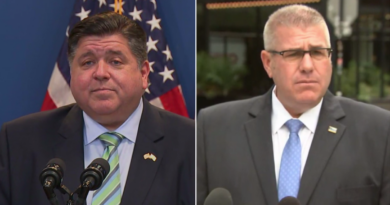
Democratic Sen. Ron Wyden of Oregon accused a top Justice Department official of blocking the release of a document related to a secret investigation of drug trafficking and prostitution by Jeffrey Epstein.
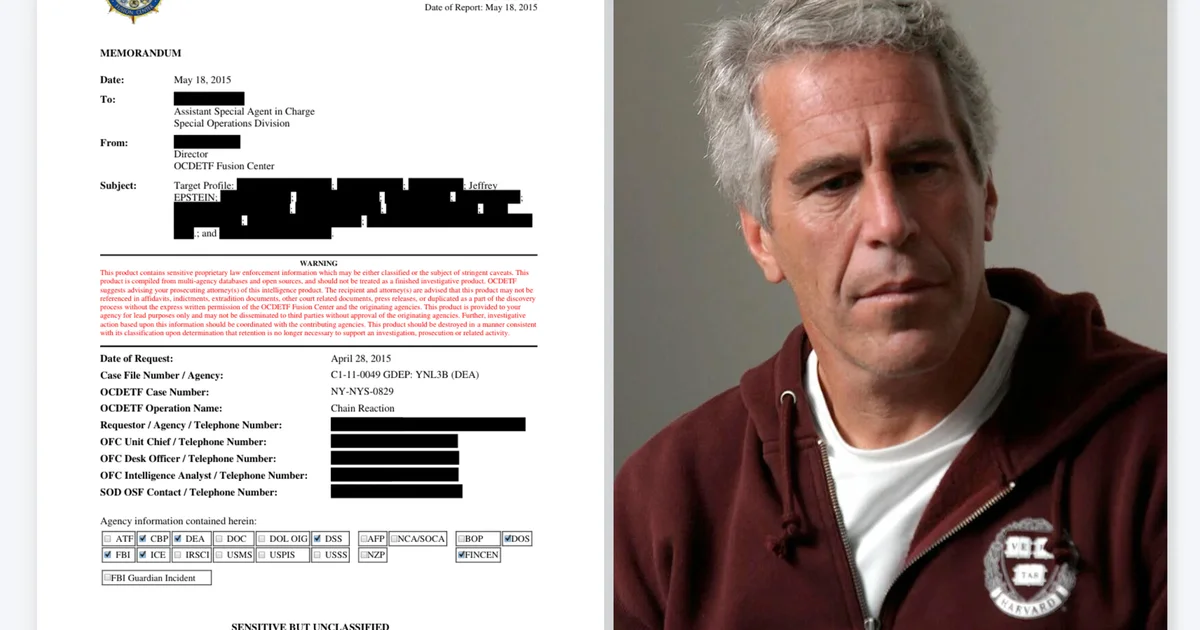
Wyden said Deputy Attorney General Todd Blanche blocked the release of an unredacted 2015 memorandum prepared by the Justice Department’s Organized Crime Drug Enforcement Task Forces, an entity charged with coordinating complex drug and money laundering investigations across government agencies.
CBS News reported in February that the heavily redacted memo included in the more than 3 million Epstein files released in January shows the convicted sex offender was the subject of a Drug Enforcement Agency probe that stretched at least five years.
Blanche said in a social media post, ” A sitting U.S. Senator has completely fabricated a story for clicks. No one is blocking anything.” He added that the memo is available to members of Congress “unredacted in our reading room,” but Wyden never visited.
The senator responded to Blanche in a series of social media posts, accusing him and Attorney General Pam Bondi of hiding files in a black box, adding, “DOJ is surveilling members of Congress who go to view them.”
Wyden wrote in his letter to Blanche on Wednesday that investigators for the Senate Finance Committee were told the DEA was prepared to comply with his request for an unredacted copy of the memo — until Blanche intervened some time during the last three weeks.
“It has come to my attention that you are preventing the Drug Enforcement Administration from producing an unredacted copy of a report I requested regarding drug trafficking and money laundering by Jeffrey Epstein and several associates,” Wyden wrote. “Your alleged interference in this matter is highly disturbing.”
Wyden added he believes the government had “ample evidence” that Epstein was involved in drug trafficking and “likely pumping his victims, including underage girls, with incapacitating drugs to facilitate abuse.”
The redacted document shows the DEA’s investigation targeted Epstein and 14 others for suspicious money transfers possibly linked to illegal narcotics. Sources tell CBS News that internal case coding indicates the DEA agents were targeting “club-drugs,” which included ketamine, ecstasy and GHB. The document indicates the case was related to the drug MDMA, otherwise known as ecstasy.
“DEA reporting indicates the above individuals are involved in illegitimate wire transfers which are tied to illicit drug and/or prostitution activities occurring in the U.S. Virgin Islands and New York City,” the 2015 document says. The 69-page memo is marked “law enforcement sensitive” and conceals the names of the 14 other targets.
The document appears to stem from a request by the DEA to an Organized Crime Drug Enforcement Task Forces Fusion Center in Virginia for a complete workup on case targets, a law enforcement source told CBS News. The fusion center then ran the names against all the major federal law enforcement databases and produced the information for the task force.
A law enforcement source told CBS News that for the DEA to open the case, there would have to be a drug nexus, and the fusion center’s involvement indicated the investigation was “significant.”
Earlier this month, CBS News submitted a Freedom of Information Act request to the DEA for additional information relating to the agency’s case. That request was denied by the agency citing that the memo’s release “[c]ould reasonably be expected to interfere with enforcement proceedings,” among other reasons.
Law enforcement sources said the memo might be withheld because it could contain enforcement actions connected to the case or confidential informant names could be listed.
Epstein was arrested and jailed in July 2019, after a separate investigation by the U.S Attorney’s Office for the Southern District of New York. Sources involved in that case told CBS News the prosecutors were not aware of the earlier DEA investigation.
His death in jail weeks later was ruled a suicide.